
7 Hard Lessons from a Decade of Startup Failure
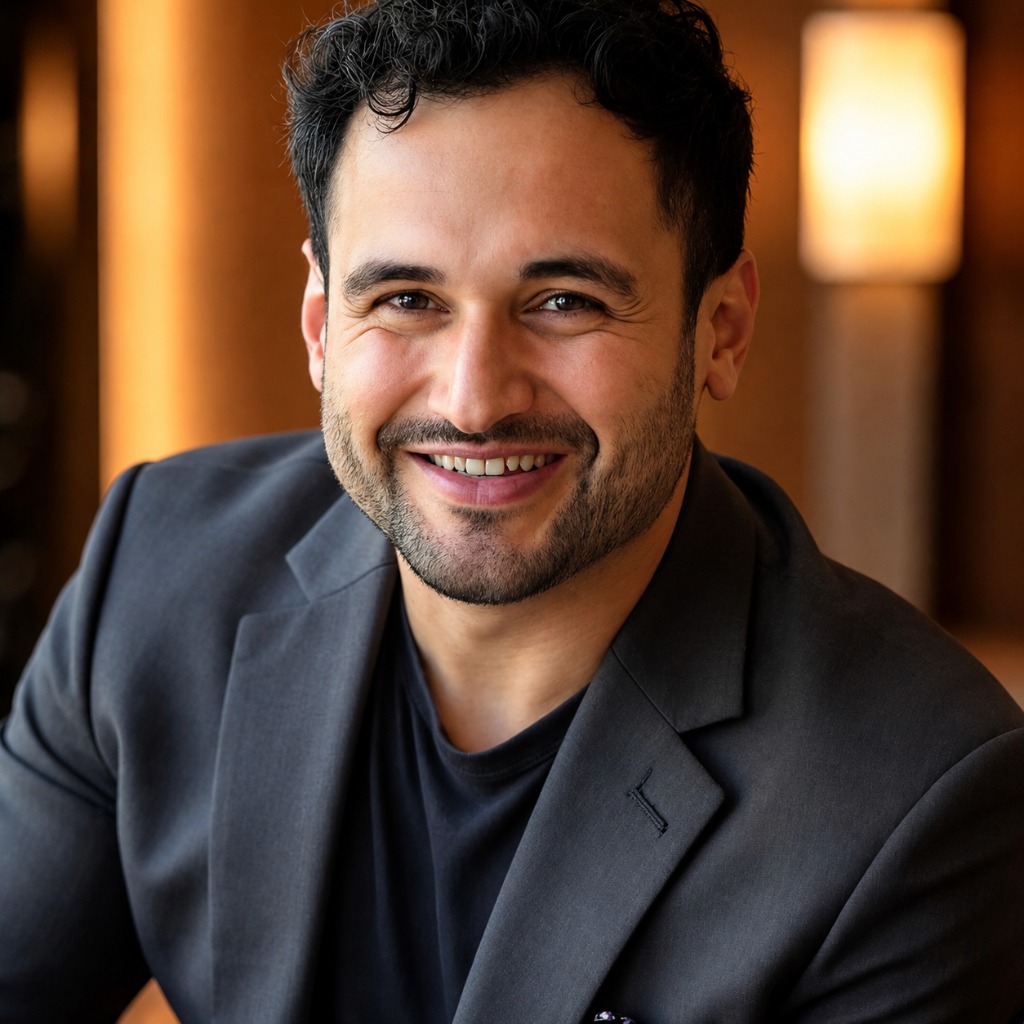
3x founder · Coach to 500+ founders
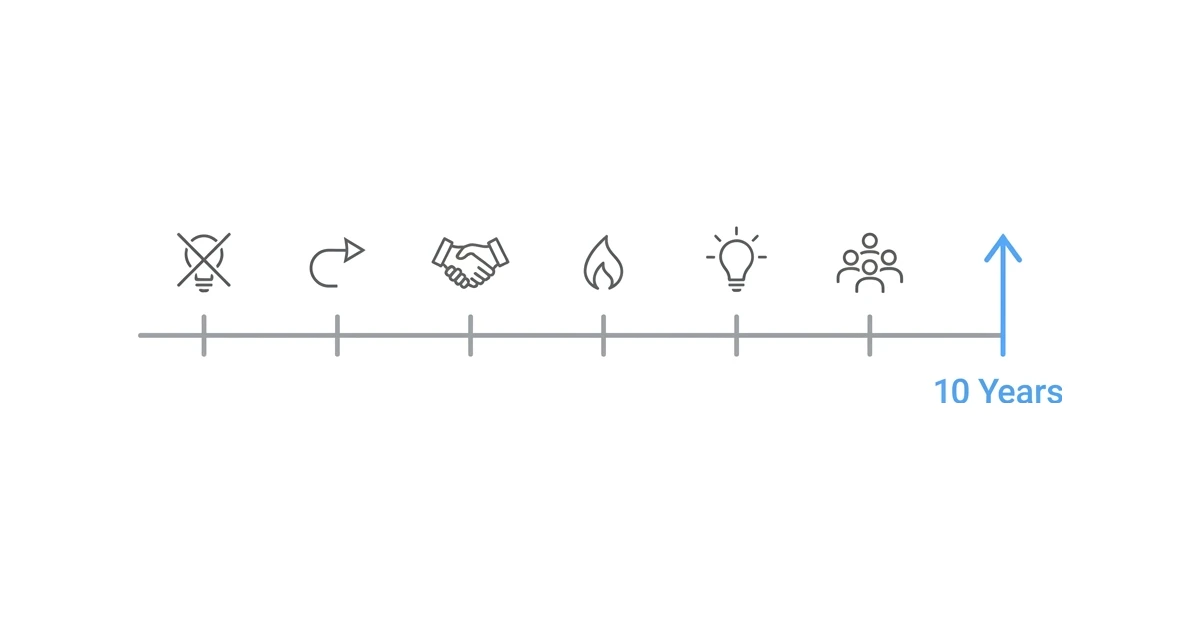
The decade doesn’t look like failure on paper. Three companies. Ops and growth roles at a dozen more. Customer Success at Nylas, from zero through a $120M Series C. Five hundred-plus founders coached.
But I also built a product for eight months without asking a single person whether they needed it. I watched a family member run a business into the ground while ignoring every suggestion his employees made. I got fired. Twice. In the same year.
These seven lessons are what I pulled from the wreckage.
1. Sales without product-market fit is just spending faster
In college I built a marketplace for farmers. We thought we had a real idea. Seventeen calls confirmed it. On call 18, a farmer from Iowa set me straight.
He said: “Son, I shake hands before I buy. I look a man in the eye. You can’t do that through a damn screen.”
We pivoted the next day.
The lesson wasn’t that online marketplaces don’t work for farmers. It was that we had been validating our idea with people who were too polite to say no. Call 18 told us the truth the others wouldn’t.
Most founders treat validation as a box to check before they start building. It isn’t. It’s the thing you do instead of building, for as long as you can stand to.
If you can’t get someone to pre-order, share their data, or show up to a pilot, you don’t have a product. You have a theory.
2. The loudest person in the room is rarely the most right
When I was 15, I watched a family member run a business that was slowly going under. Employees had ideas. Customers were sending signals. I was reading Daniel Pink’s Drive and suggesting he look at what the research said about motivation.
He laughed. He blamed the employees.
The business never recovered.
I’ve since watched this play out in startups, from seed to Series B. The executive who talks the most in meetings, who drives the agenda based on their own ambitions, who dismisses the concerns of customer-facing teams, is usually the one who breaks things.
The best founders I’ve worked with are not the loudest. They’re the most curious. They create conditions where the quietest, most specific feedback gets heard. That’s not a soft skill. It’s the actual job.
3. Retention is where startups win or lose, and almost nobody focuses on it
One of my clients had 600 signups in a month. After week one, 7 people were still using the product.
He thought he had a marketing problem. He needed more traffic. More ads. Better cold emails.
He had a bucket with holes in it.
Imagine pouring water into a bucket with holes in the bottom. The more you pour, the faster it leaks. That’s what early-stage SaaS looks like when your onboarding breaks, your first-use experience is confusing, and your stickiest feature is buried three clicks deep.
Acquisition spend looks good because you see results the same week. Retention work is slower and less visible. But the math is one-sided: it costs five to seven times more to acquire a new customer than to keep an existing one. Every dollar you spend on acquisition before fixing your retention is a dollar that will leak out the same week it comes in.
Fix the bucket before you turn on the tap.
4. Every playbook is someone else’s context
When I started coaching founders, I noticed how many of them were borrowing strategies from companies three stages ahead of them. They were reading about what Amazon does at scale and trying to apply it at $50K MRR.
Jim Collins wrote Good to Great in 2001. By the time the next edition came out, many of the companies he identified as “great” had restructured, declined, or disappeared. That’s not a knock on Collins. It’s what happens when you treat case studies as prescriptions.
No playbook is portable. What worked for that B2B SaaS with 50 employees and $5M ARR does not automatically apply to your 4-person team at $20K MRR, even if the markets look similar.
Steal principles, not recipes. Understand why something worked before you copy how it was done. The context is almost always the part that doesn’t transfer.
5. Every assumption is a hypothesis until a real person confirms it
I once built a product for eight months without asking a single potential customer whether they needed it.
I told myself I was doing market research. I was reading about the market. Talking to people in my network who said it sounded interesting. Building features I assumed they’d want.
When I finally showed it to someone who would have been a real customer, she looked at me and said: “We already have something for that.”
Eight months. Gone.
The most expensive thing you can build is something nobody needs. And the worst part is that the feedback is usually available before you build. People will tell you what they don’t need. They’ll show you, if you ask the right questions.
The MOM Test question I now tell every founder: “How are you solving this today?” If their answer doesn’t involve a painful workaround, your product is a vitamin, not a painkiller.
6. Your time is the only thing that doesn’t come back
Sahle came to me overwhelmed. He was a YC-backed founder with his hands in everything. Customer calls. Investor updates. Hiring. Content. Support. He was working 60-hour weeks and falling behind on all of it.
He thought he had a time problem.
He had a prioritization problem.
We did a task audit. Thirty minutes of honest accounting. When we sorted everything by actual impact on revenue and growth, we found that more than 40 percent of his weekly hours were on tasks that either could be deleted or handed to someone else immediately.
He cut 20 hours from his workweek in the first month. Revenue kept going up.
Founders confuse being busy with being productive. They wear the hours like a badge. But the founder who works 40 focused hours beats the founder who works 70 scattered ones, almost every time.
The question isn’t how to do more. It’s how to do less of what doesn’t matter.
7. The market will always tell you the truth, if you let it
In 2019, I started a company called Cicero. The idea was to make learning from the world’s best thinkers more accessible. I believed in it. I worked on it.
It didn’t work.
But while I was running Cicero, I started coaching founders on the side. People kept asking for more sessions. Referrals came without me asking for them. I had a waitlist before I had a real offer.
That was the market talking.
The startup failed. Coaching took off. I called it the best accident of my career, but it wasn’t an accident. I was paying attention.
Failure isn’t wasted if you listen to what it’s telling you. Every dead startup, every pivot, every customer who churned, every investor who passed is giving you data. Most founders process that data emotionally. “They didn’t understand the vision.” “The market wasn’t ready.”
The market is always ready to tell you what it actually wants. The question is whether you’re listening.
Ten years of this. The pattern usually holds: founders who win stay curious and stay close to their customers. The ones who struggle get attached to their assumptions.
The mistakes are free. The tuition is your time.
If you’re building right now and want to avoid the ones that cost the most, the No BS Startup Guide covers the validation and prioritization frameworks I use with every founder I work with.
Book a free strategy call if you want to talk through where you are.
The market already knows what it wants from you. You just have to ask.
Related Startup Guides
All articlesLead
How to Hire Your First Startup Team
Most first startup hires fail because founders skip the pre-hire audit. Here is the Keep/Coach/Let Go framework for knowing who to hire, when, and for what.
Grow
Startup Coach vs Accelerator vs Advisor: Which One You Need
Startup coach vs accelerator vs advisor: what each costs, which stage each fits, and how each one fails. By a coach who was fractional COO inside a YC startup.
Grow
Go-to-Market Strategy for Startups: The No-BS Playbook
Most GTM frameworks were written for Series B companies with sales teams. Here is the playbook for a founder still doing all the selling, in the right order.
Farzad Khosravi
No BS Startup Coach · 500+ Founders Coached
I help early-stage founders launch, grow, and lead with clarity. I cut through the noise to the few tactics that actually change your numbers. I've coached 500+ founders across validation, growth, leadership, and fundraising.